Why have you personally devoted yourself to social enterprise and trying to help people?
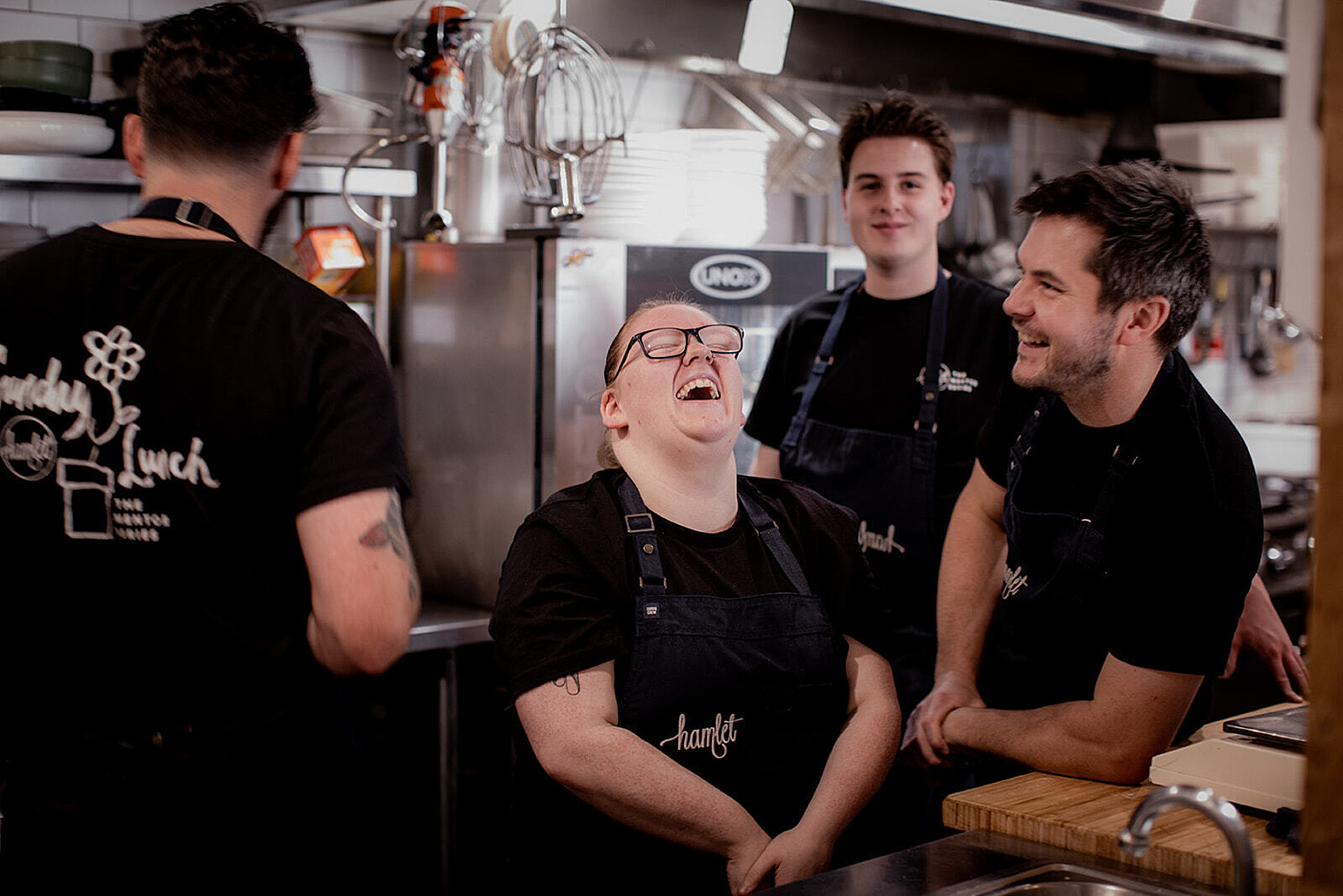
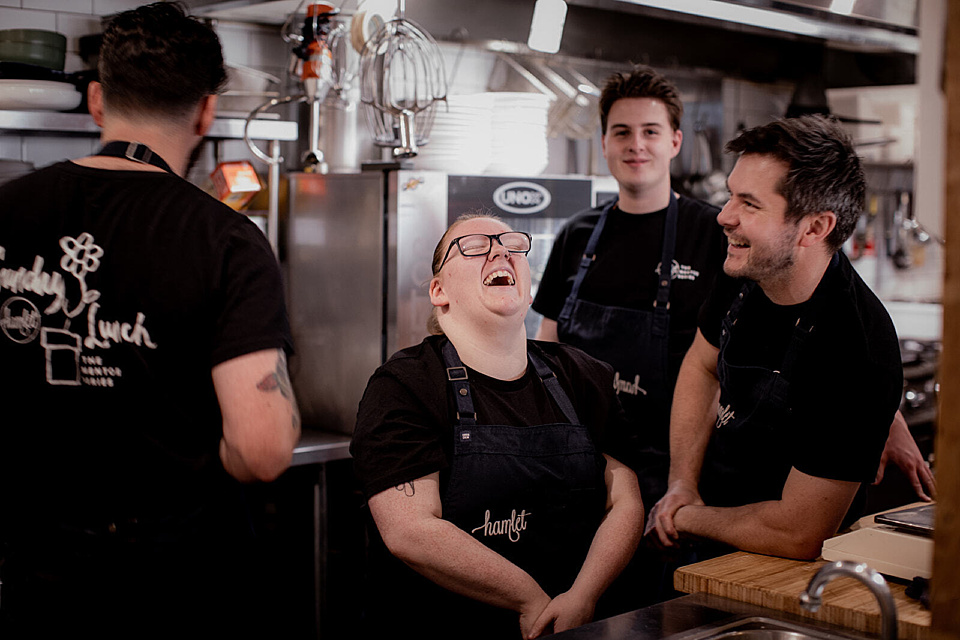
I think it’s a really hard industry to move out of. I think having the exposure I did to my brother’s social enterprise, it changes the way you think about doing business. For me, especially when I was working in the food industry, I would get home at night and think, what have I achieved today? Okay, we delivered a lot of food and it was delicious and amazing, but I think when you work for a social enterprise, you leave work every day thinking, wow, I did something important and really powerful today, and something that has meaning for the community that I’m part of. I think the beautiful thing about Hamlet is that we have created a community where we’re able to have conversations about what is going on with the members of that community and how can we, as a community, try to solve this problem.
Are you still as passionate as when you started? Running a cafe is hard enough without it also being a social enterprise.
The 10-year milestone has kind of forced me to pause and reflect quite a bit on what has happened over that time period and what we as an organisation have been able to achieve. There is no denying the fact that this work is really hard. Running a business, especially in the hospitality industry, is hard work, and when you combine that with the social enterprise sector, it’s just a whole other thing. But for me, I can’t imagine doing anything else. I genuinely love my job.
Your work seems deliberately place-based. You’ve talked about how important regions are for teaching about workplaces that work for everyone, and how Tasmania can lead that.
I think the thing that we have found here is that yes, there are solutions that get thrown around at a national level for issues like disability employment and, you know, inclusion in general. What we find here is that it’s actually about working with the employment partners that we’ve developed relationships with, and asking the question: what do you need and what can we assist you with, so that you can become more inclusive in your hiring practices? I don’t think it’s ever a one-size-fit-all approach. I think it really does have to be the communities that you’re working in that develop the solutions to the problems impacting the communities that we’re in.
What’s next for you and for Hamlet? Is the plan to get bigger?
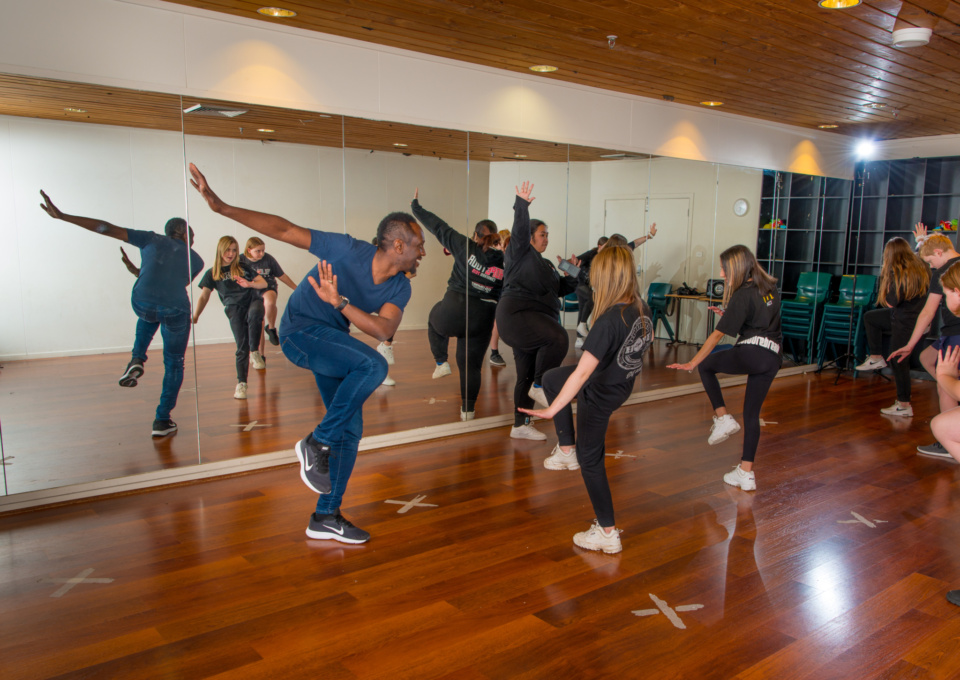
I think our biggest thing is working with what we’ve got. At the moment, we’re doing a lot of work in terms of a project called Next Shift, which we’re launching in the next couple of weeks; it’s about building employment pathway models. It is less to do with working directly with the graduates from our training program and more about working with employers – giving employers the skills and the training that they need to become more inclusive in their hiring practices.
We want to provide employers with ongoing support so that they can employ graduates from our training program and also so that those employment outcomes can be long-term sustainable. Obviously, we provide a lot of ongoing support for graduates in our training program, but we know that their enjoying long-term success isn’t just about them, it’s about their needs creating an actual shift in our industry. Well, I think in industries at large, but especially in the hospitality industry, we want to see things change.