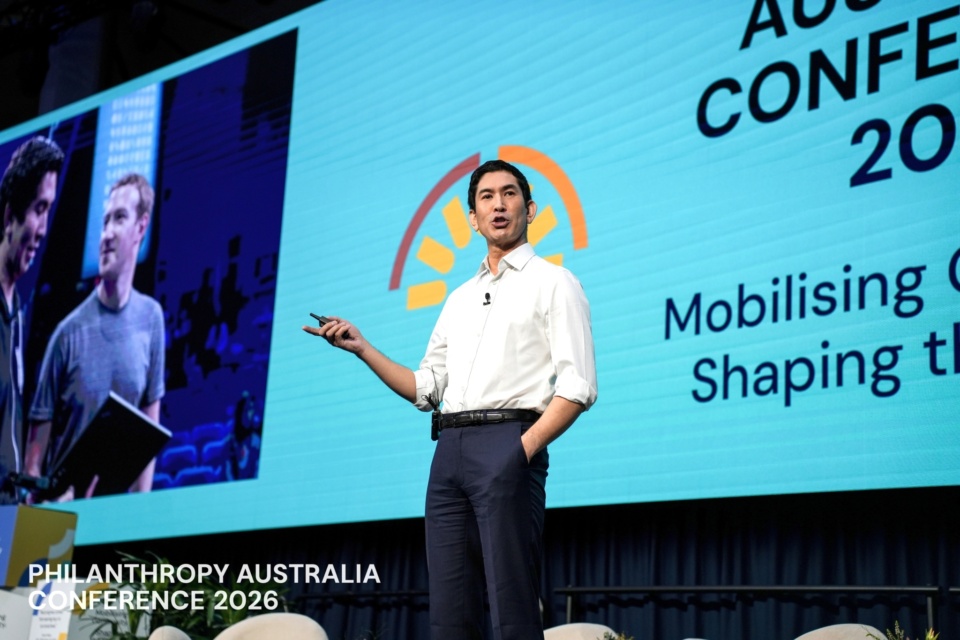
Philanthropists ask: Can we forge a better future?
Posted on 17 Sep 2026
Australia’s biggest gathering of philanthropists, which drew more than 1200 delegates to Brisbane…
Posted on 15 Oct 2025
By Matthew Schulz, journalist, Institute of Community Directors Australia

Not-for-profits (NFPs) seeking to stand out in a competitive funding environment must be clear about their goals before applying for grants, according to an expert trainer and social enterprise founder who won millions in grants for his cause but missed out on many more.
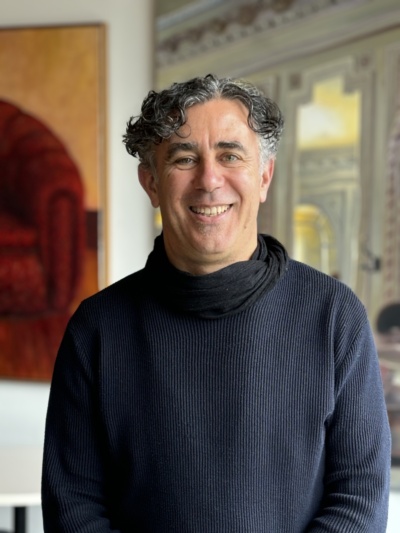
Community Directors trainer Jon Staley hosted a three-hour intensive course, Finding Funding and Winning Grants, last week, drawing on lessons from the social enterprise he founded.
Speaking with Community Directors Intelligence about effective fundraising, Staley said successful NFPs relied less on luck and more on alignment, governance and purpose.
He repeatedly returned to the theme of clarity. “Be explicit about what you do and why it matters,” he said.
Any successful funding, Staley said, begins with a clear sense of why an organisation exists and the change it seeks to create. Funders expect to see evidence of a direct line between the problem, the solution, and the impact and want reassurances that their investment is tied to their goals.
Clarity of purpose, he said, must flow throughout the organisation, from the boardroom to frontline workers, and means everyone is working towards the same mission and seeking the same impact, which reduces the temptation to “chase shiny things” or grants that don’t match the organisation’s purpose.
Organisations with coherent goals and strategies are more capable of delivering on their promises and communicating clearly about their achievements through impact stories and data, Staley said.
Those qualities help convince funders that their support will deliver real value, and created more opportunities for funding for organisations.
“It’s all about creating a story about why you’re a good organisation to fund.”
“The clearer you are, the clearer you can articulate this to stakeholders and the broader community. So: here’s the problem, here’s how we address it, here’s the impact we’re having now or could have with support."
Staley knows the thrill of winning funds and the disappointment of missing out.
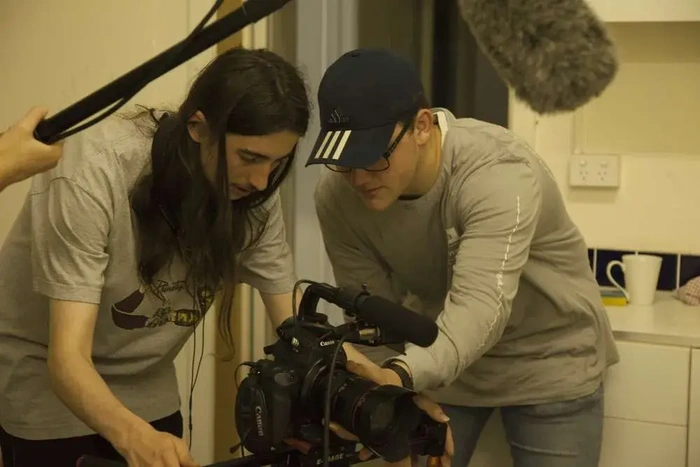
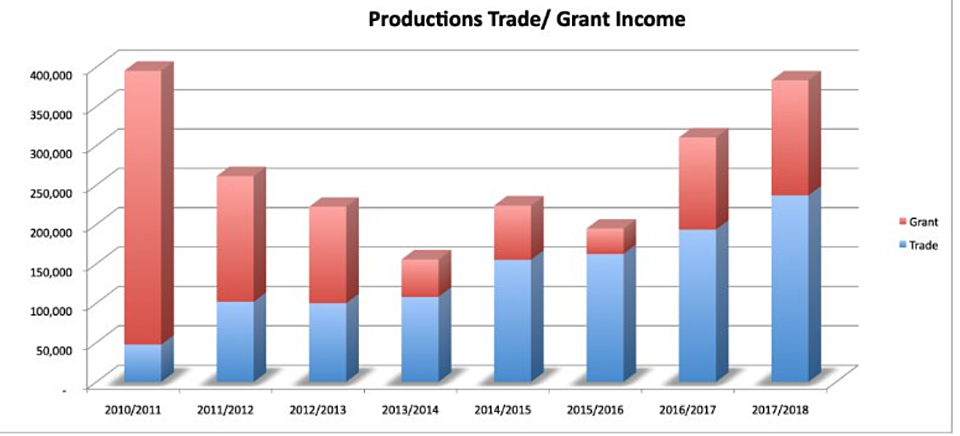
He helped found the youth media social enterprise Youthworx, which trained and employed young people at risk of homelessness in creative and commercial media production. Over a decade, Youthworx provided accredited training for hundreds of young people in Creative Industries and established a business, production arm, Youthworx Productions, that employed graduates of the training. Between 2009 and 2020 while Staley was at the helm the business produced more than 500 commissioned and fee for service short films, growing “beyond most people’s expectations”.
Staley built Youthworx’s production arm with a government grant of $15,000 that bankrolled a business plan that could attract larger projects including a $500,000 post-GFC stimulus bonanza in 2009.
“From my time running Youthworx, I applied for about 60 grants over the journey, which brought in millions, but I also had many applications fail. You might submit four or five significant proposals, and only one lands.”
Funding failures were common for many reasons: “Timing, stronger applications elsewhere, not being front-and-centre for what a funder wanted, applications that weren’t the best. It’s rarely one reason. We had a compelling argument and clear impact, but the grants space is highly competitive”.
By the time Staley left the organisation (that’s another story) it was generating a mix of income, from paid projects, grants and other funding sources.
Staley said that once an organisation has established its underlying “why”, building the argument for funding is much easier. He said the best pitches combine “head and heart”:
“The clearer you are, the clearer you can articulate this to stakeholders and the broader community. So: here’s the problem, here’s how we address it, here’s the impact we’re having now or could have with support. We give people tools to clearly and succinctly articulate who they are, why they do it, and the impact, so they can appeal to funders.”
Building a portfolio of material that can be used and reused to support many grant applications is more efficient than treating each application as a one-off.
Youthworx, for example, maintained a library of background supporting material – program statistics, testimonials and examples of work – so it could respond quickly to opportunities. It also added new material for each individual application. But Staley urged applicants to avoid overstating claims or sending out inconsistent messaging that could erode credibility.
Governments and major funders now expect proof that programs are delivering results.
While comprehensive impact evaluations can be expensive, smaller organisations can start with simpler measures to build credibility and funding prospects.
A common mistake of inexperienced grantseekers, Staley warned, was taking a scattergun approach and chasing every available grant in the hope that one would succeed.
“Don’t go after grants willy-nilly,” he said. Instead, NFPs should focus on funding opportunities that align with their mission, capacity and strategic priorities. They should also keep on top of government and philanthropic trends, such as the growing interest in early intervention measures, he said.
While no approach guaranteed success, strategic applications that matched funders’ criteria, values and impact areas were are more likely to pay dividends, he said.

Staley said strong funder and stakeholder relationships were essential. Meeting funders, inviting site visits and “staying in front of them, sometimes for years” could be necessary before opportunities arose.
“Building real human relationships is a big factor in getting grants.”
Winning funding is not a transaction, he said, but a relationship built over time.
The most successful organisations are often invited to apply for grants, because funders already trust them as a result of their consistent delivery, open communication, and demonstrated impact.
Staley cited organisations such as STREAT and Orange Sky, which have built credibility and visibility through powerful storytelling and transparent operations.
“Reputation compounds,” Staley said, “but it collapses quickly if delivery doesn’t match the promise.”
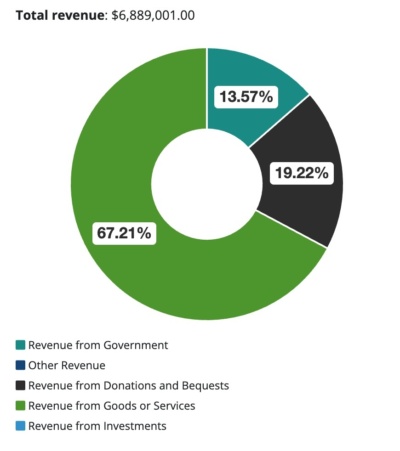
According to the Australian Charities and Not-for-profits Commission (ACNC), STREAT – a Melbourne-based youth-focused hospitality social enterprise – generates nearly $7 million in revenue each year, two-thirds from business earnings.
Orange Sky relies more on donations, taking in more than $12 million each year, with government revenue making up just 5 per cent of its income.
The success of those organisations illustrates the need for organisations to diversify funding beyond grants to achieve long-term sustainability.
Community Directors teaches the “seven pillars of fundraising” model developed by the Funding Centre, in which organisations seek income from multiple sources: grants, donations, crowdfunding, membership, events, products and services, and sponsorship.
Staley said funders favour applicants that demonstrate long-term sustainability and multiple income sources, rather than depending on short-term grants.
He said a long-term strategy prevented organisations from being purely reactive, and helped them anticipate and respond to extra costs such as staffing, office leases and other infrastructure that may come with winning additional grants and other income growth.
Strategic foresight helps to prevent the “boom-and-bust” cycles that can plague smaller NFPs.

Returning to his central theme of clarity, Staley said successful fundraising required strong governance. A funding strategy should flow from the organisation’s strategic plan and be understood and owned by the board.
When governance and operations become disconnected, dysfunction and burnout can follow, he warned. In contrast, healthy systems, clear policies and strong compliance mean NFPs have the best chance of surviving in a volatile funding environment.
Good governance and internal alignment are more likely to attract and retain funders’ trust, but also allow an organisation to establish an ethical framework under which it is clear about what funds it will decline, as well as what to pursue. An ethical framework can help NFPs to determine whether they will accept money from gambling, fossil fuels, or alcohol.
“Ask yourself whether you’d be comfortable if the funding appeared on the front page of a major newspaper,” Staley said.
With funders increasingly valuing collaboration, Staley said joint bids could improve grant proposals, but required extra planning to make them work. Partners must have agreed objectives, governance arrangements and deliverables before submitting any applications, and all of these must align with organisational strategy.
Effective collaborations can demonstrate to funders that organisations are able to operate strategically, share resources, and have a greater collective impact.
Artificial intelligence (AI) is a growing part of grantwriting (and assessment), and the Funding Centre is set to launch an AI-assisted grantwriting tool, Drafter, this month.
Staley said AI can help with structuring, editing and polishing proposals, but he warned organisations against overreliance.
“AI can be a massive help in developing cases for funding, but there are important caveats. Your case needs an underlying logic and deliverable reality. Don’t let AI craft a fanciful case you can’t deliver – that’s a reputational risk. AI can help tailor framing and drafts, but the logic must hold in the real world.”
Staley said organisations should remember that funding is just “the fuel” for the work that they do. He said that when an organisation’s purpose is clear, its governance sound, and its story authentic, funders are far more likely to engage.
Posted on 17 Sep 2026
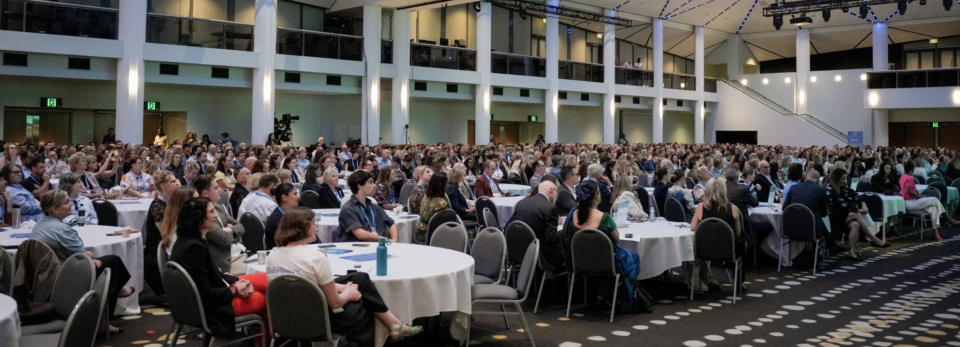
Australia’s biggest gathering of philanthropists, which drew more than 1200 delegates to Brisbane…
Posted on 17 Sep 2026
Experts in Australian philanthropy say there are stark differences between philanthropic money and…

Posted on 17 Sep 2026
One of Australia’s foremost fundraising observers says Australian not-for-profits must get the…
Posted on 17 Sep 2026
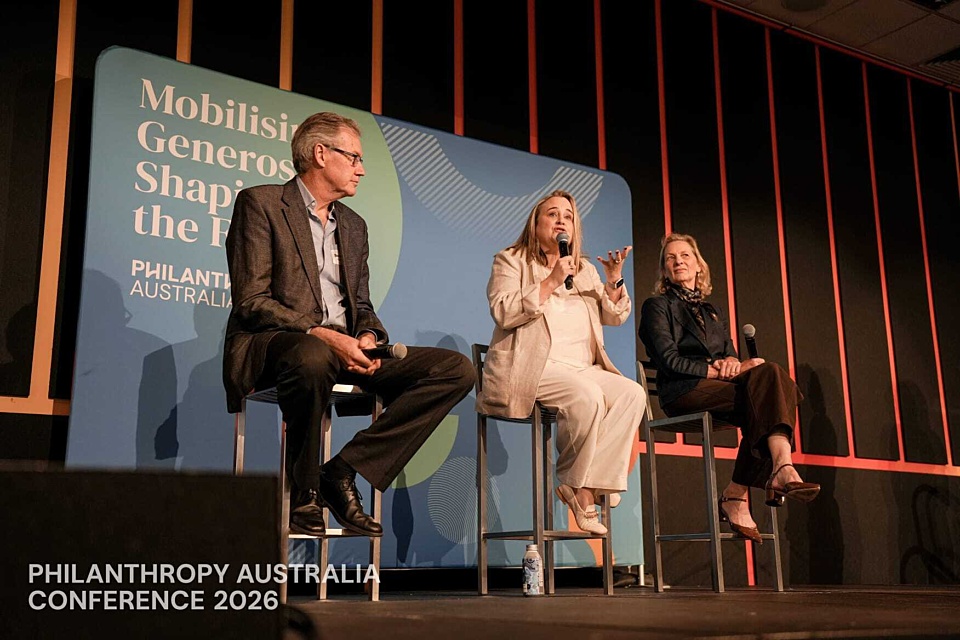
As direct giving dries up, charities face growing dependence on big donors and negotiating the…

Posted on 17 Sep 2026
Charities reported $14.8 billion in donations and bequests last financial year, the second-highest…

Posted on 17 Sep 2026
My father often googles my name, and as a result, years ago, I received a surprising gift in the…
Posted on 17 Sep 2026
Where Evelyn Mugisha grew up in rural Uganda, the subjects and careers considered suitable for…
Posted on 09 Sep 2026
A global gathering of philanthropists in Brisbane this week is aiming to tackle society’s biggest…
Posted on 09 Sep 2026
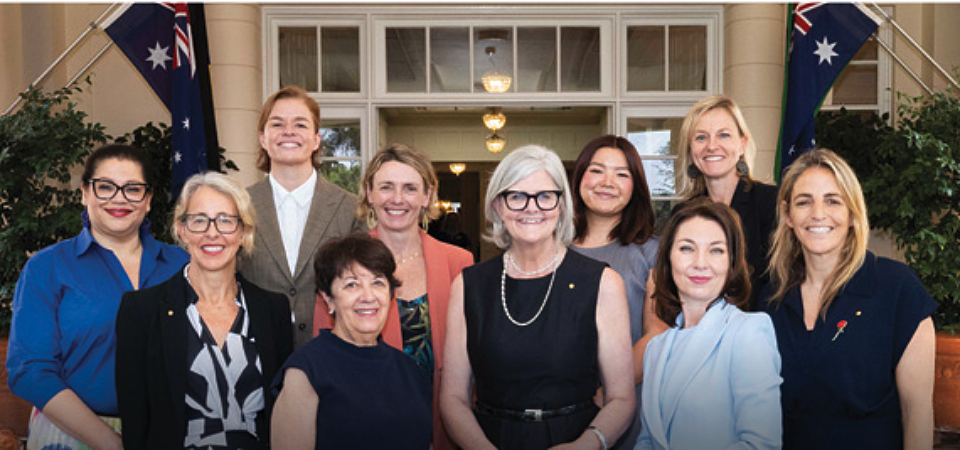
Media attention about women's philanthropy has more than doubled in three years, according to new…
Posted on 26 Aug 2026
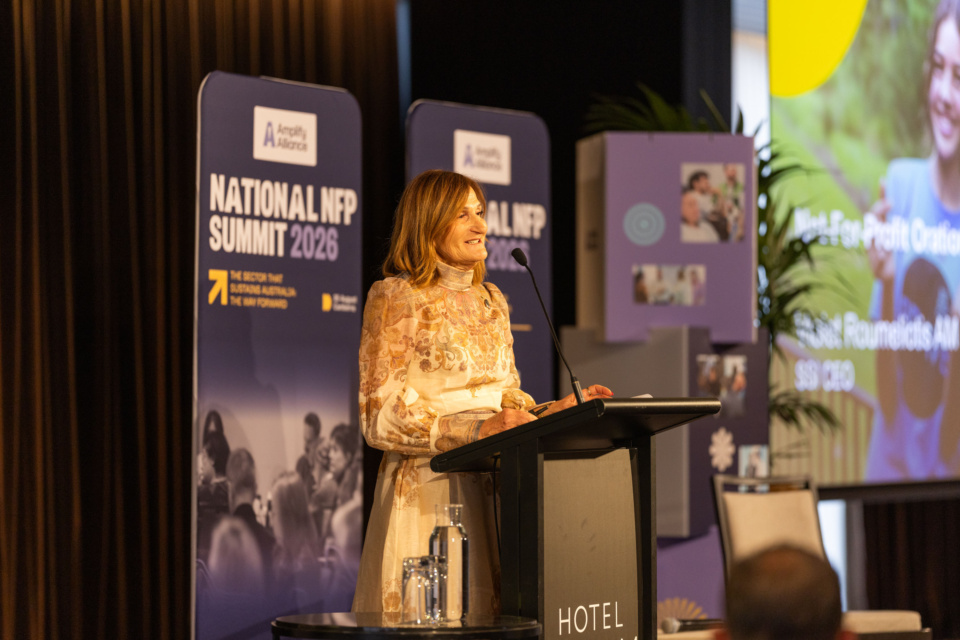
Sector leader Violet Roumeliotis has called on funders to stop treating not-for-profit…

Posted on 13 Aug 2026
As a teenager, I attended summer camp for seven years, first spending two weeks at a time camping…

Posted on 13 Aug 2026
Not-for-profits are full of people with great ideas, but that doesn’t mean they are set up for…