
Philanthropists ask: Can we forge a better future?
Posted on 17 Sep 2026
Australia’s biggest gathering of philanthropists, which drew more than 1200 delegates to Brisbane…
Posted on 14 Aug 2025
By Nina Laitala, training lead, Institute of Community Directors Australia

Community Directors accepts that leadership is not a “one size fits all” scenario. It’s something trainer Kate James knows well, and that they explored in our free Leadership Week webinars last month.

James has spent years working in community leadership and governance, but they also have a professional background spanning commercial law, government, private investigations and management consulting.
Having worked with community groups of all shapes and sizes, through legal and regulatory advice, cultural reviews, and restorative processes, James’ diverse experience has given them a deep understanding about the value of good delegation in leadership, as well as the power of building capacity in others.
Their Leadership Week presentation about delegation stressed that it does not consist only of handing off tasks – it’s about empowering others and creating space for growth. That one-hour webinar was only able to skim the surface of a tricky topic, but it managed to explore the power of effective delegation in team building, workload management and strategic leadership.
James says her reflections on delegation and responsibility have been shaped in part by her observations of how people relate to each other in teams. For James, leadership does not begin with directing others. It begins with learning how to follow well. Robert E Kelley introduced the influential followership model in his 1988 Harvard Business Review
article titled “In praise of followers.” The model categorises followers based on their level of critical thinking and engagement.
“People need space to try things, to test themselves. You want to experience responsibility before you're formally accountable for everything. That is how confidence builds.”
“I think I’ve spent more of my life showing up than leading loudly. The way you work and engage with people often speaks for itself,” James said.
That observation informs much of James’ approach. They are not drawn to titles or authority, but to the dynamics that shape trust, shared work and personal growth. In their view, how someone conducts themselves as a team member says just as much about their leadership as anything written in a position description.
James has a clear sense of what effective delegation is. “A good delegator gives you clear outcomes, explains any non-negotiables, and then lets you get on with it. They treat you like an adult.”
In contrast, micromanagement can feel like a lack of trust. “It’s often not about the task, but about someone’s anxiety or need for control.”
They believe that delegation is not just about productivity, it’s about growth. “People need space to try things, to test themselves. You want to experience responsibility before you're formally accountable for everything. That is how confidence builds.”
James describes this as creating a space in which to play. Not a space for “play” in a childhood sense, but a space where people can stretch themselves without fear of failure. “There is value in letting people try and not get it perfect. That’s how we learn.” They point to the dignity of risk. “People need the freedom to take on responsibility and make mistakes in order to grow into their potential.”
They are wary of the language that often surrounds leadership. “I don’t love the word ‘empowerment’. It can feel unattainable, or even a bit self-congratulatory. I’m more interested in how we can support each other to show up authentically and do good work.”
James sees followership not as a passive role, but as a conscious and often courageous choice. Being a good follower, in their view, means taking responsibility for your part, knowing when to step up, and when to step back. “There are real benefits to being a follower. You’re contributing, holding space, shaping things. That is a form of leadership too.”
Self-awareness sits at the centre of delegation, in James’ view. Whether someone is delegating or being delegated to, they believe the work starts internally. “The question I often ask myself is: ‘So what? So what if something is done differently? So what if the outcome isn’t perfect?’”
That kind of reflection helps uncover what is really important and what might simply be tied to ego or habit.
“You need to know your comfort zones and your tendencies. That’s how you build trust, in yourself and in the people around you,” James says.
Posted on 17 Sep 2026
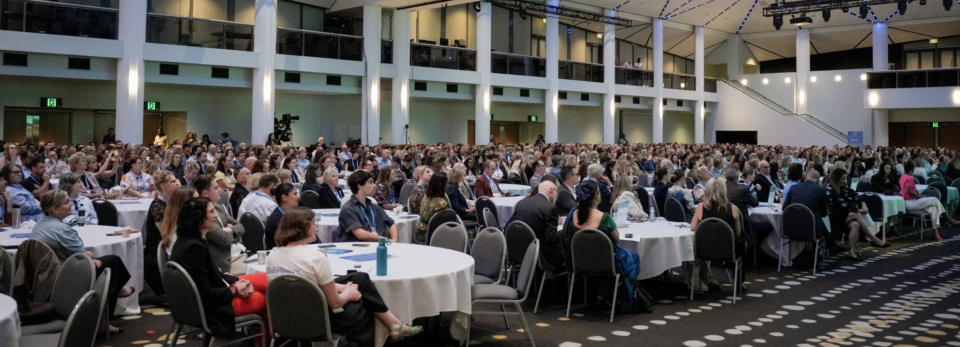
Australia’s biggest gathering of philanthropists, which drew more than 1200 delegates to Brisbane…
Posted on 17 Sep 2026
Experts in Australian philanthropy say there are stark differences between philanthropic money and…

Posted on 17 Sep 2026
One of Australia’s foremost fundraising observers says Australian not-for-profits must get the…
Posted on 17 Sep 2026
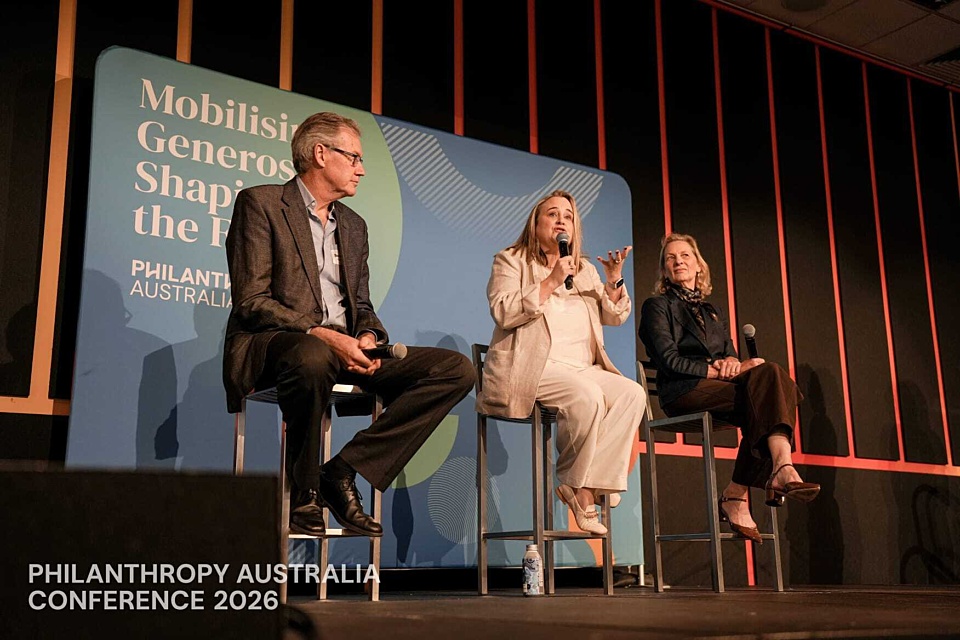
As direct giving dries up, charities face growing dependence on big donors and negotiating the…

Posted on 17 Sep 2026
Charities reported $14.8 billion in donations and bequests last financial year, the second-highest…

Posted on 17 Sep 2026
My father often googles my name, and as a result, years ago, I received a surprising gift in the…
Posted on 17 Sep 2026
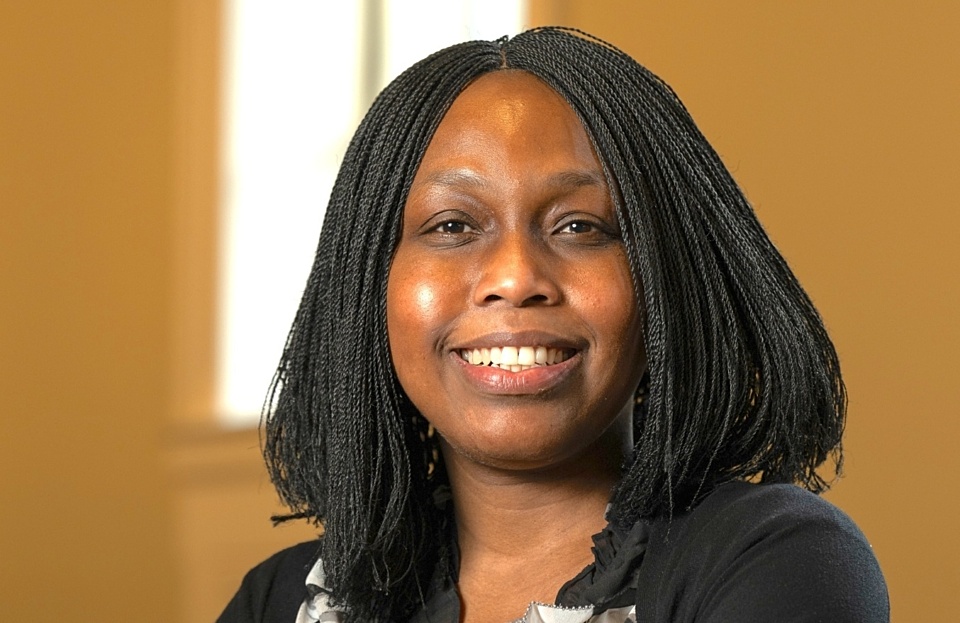
Where Evelyn Mugisha grew up in rural Uganda, the subjects and careers considered suitable for…
Posted on 09 Sep 2026
A global gathering of philanthropists in Brisbane this week is aiming to tackle society’s biggest…
Posted on 09 Sep 2026
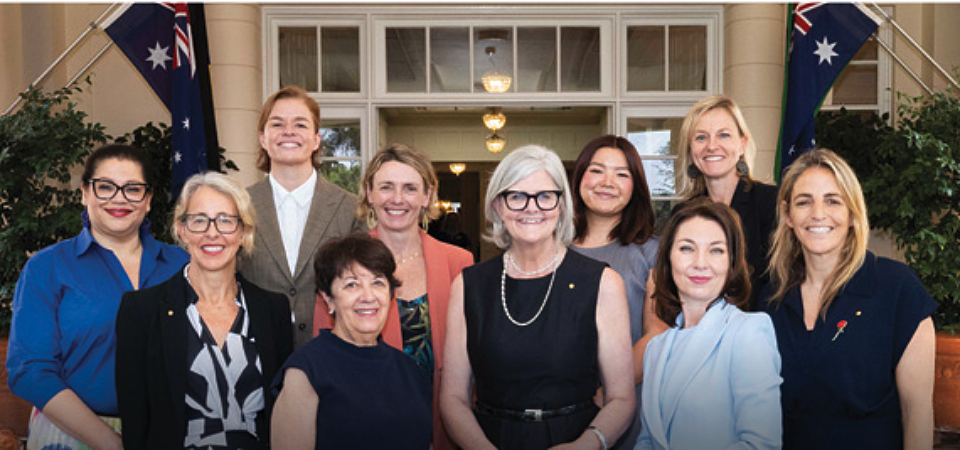
Media attention about women's philanthropy has more than doubled in three years, according to new…
Posted on 26 Aug 2026
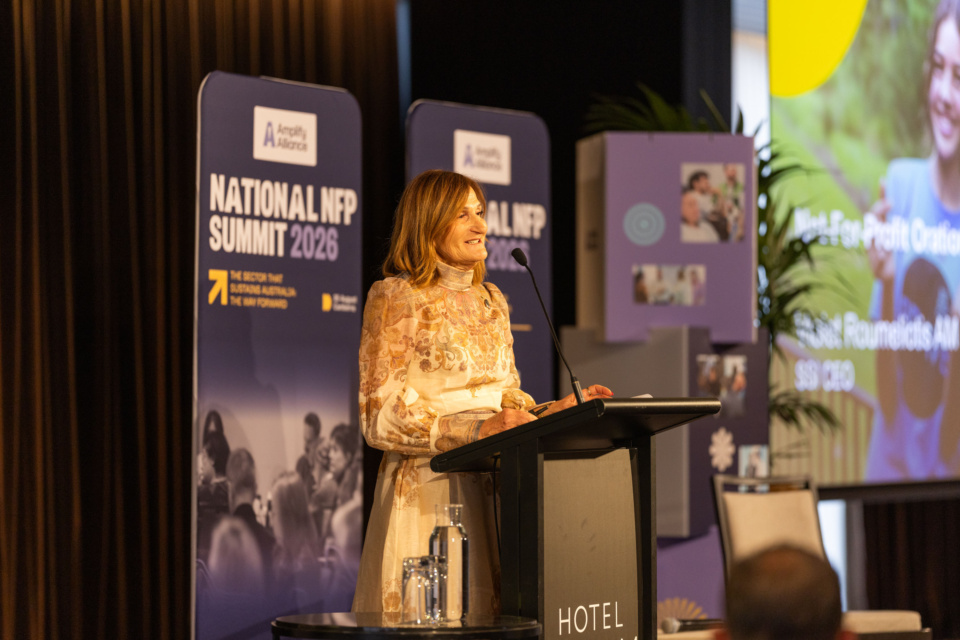
Sector leader Violet Roumeliotis has called on funders to stop treating not-for-profit…

Posted on 13 Aug 2026
As a teenager, I attended summer camp for seven years, first spending two weeks at a time camping…

Posted on 13 Aug 2026
Not-for-profits are full of people with great ideas, but that doesn’t mean they are set up for…