
Philanthropists ask: Can we forge a better future?
Posted on 17 Sep 2026
Australia’s biggest gathering of philanthropists, which drew more than 1200 delegates to Brisbane…
Posted on 14 Aug 2025
By Matthew Schulz, journalist, Institute of Community Directors Australia

Not-for-profit (NFP) leaders are more likely to be driven by strong personal values, empathy, and a collaborative approach than their counterparts in other sectors, but these very strengths can become liabilities if not properly understood and managed, according to career coach Celeste Tramonte.

Tramonte has conducted more than 100 leadership debriefs for participants in the Institute of Community Directors Australia’s not-for-profit leadership certificate course.
The biggest benefit of the debriefs is the chance for leaders to reflect on their career trajectory, leadership style and personal development. “That’s been the biggest thing people appreciate, having the time to stop for a moment and reflect,” Tramonte said.
Yet when it comes to coaching, “I do not purport to ‘fix’ anything, fundamentally.”
“As a coach, you’re working with the whole material of what the person has, bringing out from them their own solutions to issues, and raising their own self-awareness.”
Tramonte applies a strengths framework to her assessments, employing the HIGH5 strengths tool, which assesses 20 strengths and highlights the top five.
The “believer” strength – a strong connection between work and personal values and purpose – consistently ranks in the top 10 among NFP leaders. Traits such as “commander” and “winner”, which signal a more directive or competitive style, tend to sit much lower down.
She said that “peacekeeper” types were also common in the NFP sector, with those leaders seeking to avoid conflict and to seek conciliation and common ground. “Deliverers”, too, were common in the sector, with those leaders focused on getting things done, often by themselves.
“It’s no surprise that leaders in this sector are motivated by purpose,” Tramonte said. “They’re often driven by empathy, compassion, and a desire to bring people together. That’s what keeps them going through constant change and resource constraints.”
However, she warns that overusing these strengths can create problems. For example, leaders who score highly in the “deliverer” and “empathy” areas may take on too much themselves, put others’ needs ahead of their own, and neglect their own wellbeing. That’s a combination that can heighten the risk of burnout.
“Leadership styles exist on a continuum. Sometimes you need to be directive, sometimes collaborative. The important thing is having the self-awareness to ‘flex’ along that continuum depending on the situation.”
She said that not-for-profit leaders often need to be better at setting boundaries, at delegation, and at looking after their wellbeing to enable their leadership to be sustainable.
Having “circuit breakers” outside work or seeking out peers or mentors able to provide informal support can also help.
“Leadership styles exist on a continuum. Sometimes you need to be directive, sometimes collaborative. The important thing is having the self-awareness to ‘flex’ along that continuum depending on the situation.”
Tramonte said “red flags” that signalled problem leadership included a lack of boundaries, micro-managment, excessive and unsustainable levels of empathy, and poor emotional intelligence.
But she said different organisations may need different leadership approaches. “You need to align approaches with your own style and the organisation’s context. What works in one place may not work in another.”
She said that artificial intelligence, while good for “prompting reflection”, was no substitute for a good leader’s intuitive ability to read people’s cues and help staff reflect deeply.
She said good leaders had a strong grasp of a strategic mindset and were able to “see the big picture, make sense of all the moving parts, and navigate your organisation to have the most impact”.
“Leaders need to stand above day-to-day tasks but also connect staff’s work to its relevance. Storytelling is important: explaining why tasks matter, how they connect to funding, or to the organisation’s purpose.”
She said conflict between people was often the other major challenge faced by leaders.
Tramonte said that leaders should focus on understanding their own leadership style and then “expanding the repertoire” as needed.
“It’s like exercising muscles: if you only work one muscle group, you’ll be unbalanced. It’s the same with leadership strengths. Some people choose to develop strengths outside their top five, and sometimes you need to dial down certain strengths if you’re overusing them.”
Tramonte’s advice for NFP leaders:
“In the end, the leaders who sustain their impact are those who balance compassion with operational reality,” she said. “Your purpose will keep you motivated, but only if you look after yourself along the way.”
Posted on 17 Sep 2026
Australia’s biggest gathering of philanthropists, which drew more than 1200 delegates to Brisbane…
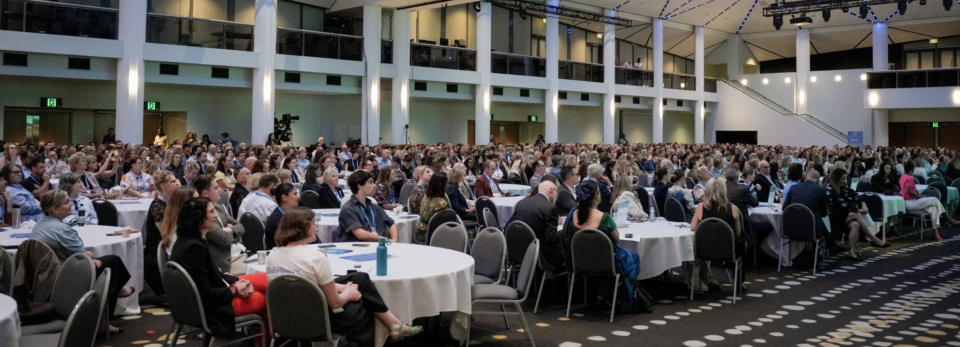
Posted on 17 Sep 2026
Experts in Australian philanthropy say there are stark differences between philanthropic money and…

Posted on 17 Sep 2026
One of Australia’s foremost fundraising observers says Australian not-for-profits must get the…
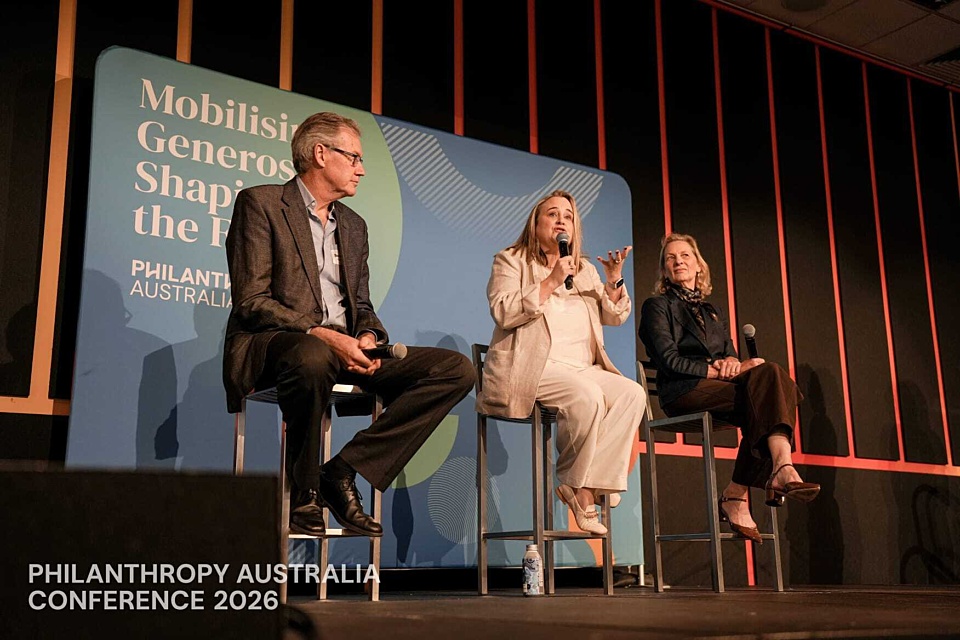
Posted on 17 Sep 2026
As direct giving dries up, charities face growing dependence on big donors and negotiating the…

Posted on 17 Sep 2026
Charities reported $14.8 billion in donations and bequests last financial year, the second-highest…

Posted on 17 Sep 2026
My father often googles my name, and as a result, years ago, I received a surprising gift in the…

Posted on 17 Sep 2026
Where Evelyn Mugisha grew up in rural Uganda, the subjects and careers considered suitable for…
Posted on 09 Sep 2026
A global gathering of philanthropists in Brisbane this week is aiming to tackle society’s biggest…
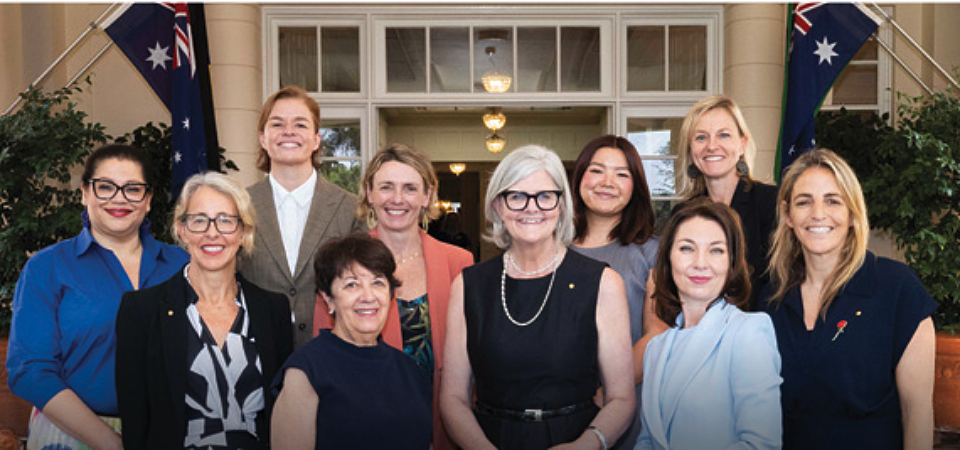
Posted on 09 Sep 2026
Media attention about women's philanthropy has more than doubled in three years, according to new…
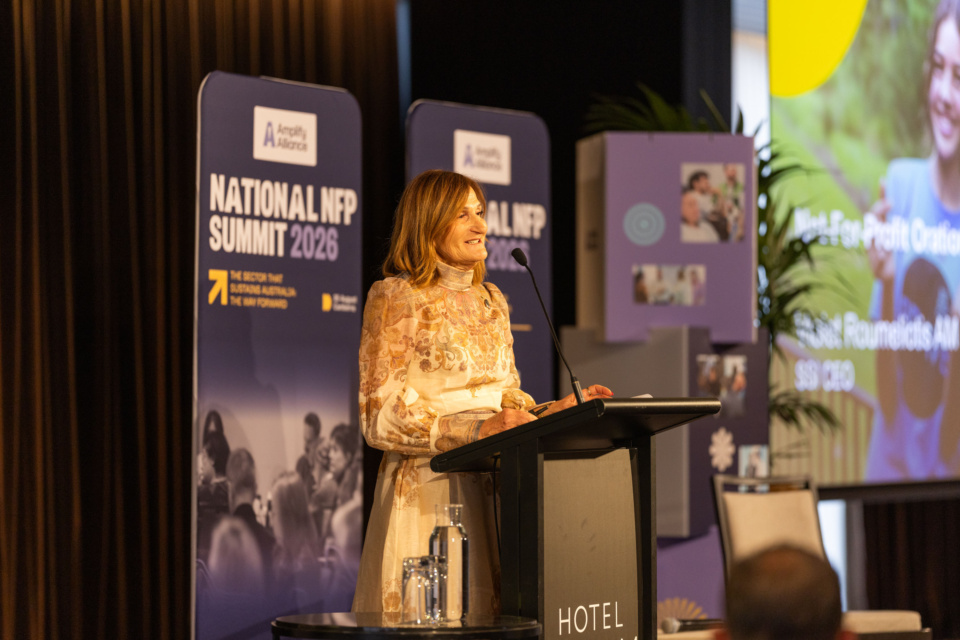
Posted on 26 Aug 2026
Sector leader Violet Roumeliotis has called on funders to stop treating not-for-profit…

Posted on 13 Aug 2026
As a teenager, I attended summer camp for seven years, first spending two weeks at a time camping…

Posted on 13 Aug 2026
Not-for-profits are full of people with great ideas, but that doesn’t mean they are set up for…